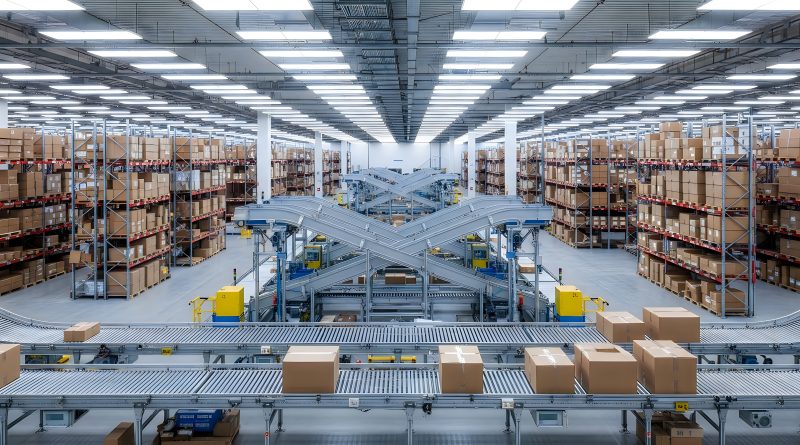
7 Distribution Center Bottlenecks Solved by Strategic Automation
The mounting pressure of e-commerce growth and persistent labor shortages continues to challenge distribution centers across every industry. Strategic automation has emerged as a practical approach, integrating predictive intelligence and targeted automation strategies that address precise operational pain points without requiring a complete overhaul.
A warehouse efficiency audit or basic operational review can reveal specific issues affecting distribution centers. Here are seven common bottlenecks that strategic automation can address.
1. Labor Unpredictability and High Turnover
Relying solely on manual labor creates fulfillment delays when staffing fluctuates. Seasonal demand spikes and competitive hiring markets compound workforce instability, leaving operations vulnerable to performance gaps.
New technologies like automated guided vehicles (AGVs) and autonomous mobile robots (AMRs) bridge the gap during periods of workforce instability. Implementing commercial automation processes increases warehouse labor efficiency and overall throughput, helping organizations meet performance targets even when labor availability is inconsistent. These systems maintain productivity levels regardless of headcount variations.
2. Point-to-Point Travel Waste
Workers spending excessive time walking between picking and packing zones represents a significant efficiency drain. Employees can walk several miles per shift in facilities lacking optimized layouts or automation.
Automated systems with conveyors handle long-distance material movement, while autonomous forklifts can manage repetitive routing tasks. These can minimize wasted time, allowing the workforce to focus on higher-value activities that require human judgment and problem-solving skills.
3. Inefficient Storage Density and Space Limitations
Running out of floor space creates storage problems that directly impact business growth. Expanding physical footprints involves substantial capital investment, lengthy construction timelines, and potential disruption to ongoing operations. Automated pallet shuttles and vertical lift modules maximize cubic space without expanding the physical footprint.
While some view automation technology as requiring substantial initial investment, it provides network-wide benefits in flexibility and operational cost reduction over time. These systems often deliver faster ROI than facility expansion projects.
4. Outbound Processing and Packing Station Delays
Processing and packing station efficiency often determines the difference between fast and slow shipping performance. Lack of inventory visibility and slow data entry typically cause these chokepoints, creating downstream delays that affect customer satisfaction metrics.
Warehouse execution systems (WES) intelligently balance workflows, ensuring tasks are distributed evenly and preventing bottlenecks that delay outbound shipments. Real-time task prioritization helps operations maintain service level agreements during peak periods.
5. Traffic Congestion and Aisle Blockages
Multiple robots, forklifts, and pedestrians can block one another in narrow aisles, significantly slowing operations. Traditional traffic management relies on visual observation and reactive problem-solving, which often addresses congestion only after productivity losses occur.
Fleet telematics and intelligent AI routing algorithms predict and clear traffic jams before they impact productivity. Equipping these systems with machine learning models can help a system adapt to prioritize equipment about to encounter congestion, avoiding delays and increasing overall throughput.
6. Dock and Yard Unloading Delays
Bottlenecks in material movement between receiving, storage, and shipping zones cause cascading delays throughout operations. Dock congestion creates ripple effects that slow inbound processing and limit warehouse capacity utilization.
Integrating high-capacity, truck-mounted forklifts provides faster, safer unloading capabilities while reducing the time freight spends waiting at dock doors. Appointment systems create clear schedules for fleet vehicle arrivals and departures, reducing congestion and improving predictability.
7. Data Blind Spots and Delayed Task Visibility
Supervisors need real-time visibility to quickly identify and resolve problems. Legacy systems often provide data with significant delays, forcing managers to make decisions based on outdated information. Reacting to issues too late due to a lack of real-time data creates inefficiencies that compound throughout operations.
Integrating an advanced warehouse management system (WMS) with real-time fleet data eliminates those blind spots and enables proactive decision-making. Modern platforms deliver actionable insights that help management teams optimize resource allocation and prevent small issues from becoming major disruptions.
Improve With a Warehouse Efficiency Audit
Before investing in equipment to solve these bottlenecks, operations must understand their specific needs through comprehensive facility assessments. Professional warehouse audits evaluate current pallet storage systems, picking operations, and material flow to identify opportunities for improvement and calculate the potential ROI of automation investments.
Material handling providers like Fairchild Equipment offer these operational reviews at no cost as part of their consultative approach. Founded in 1985 as Yale Materials Handling, the company has grown to lead a team of over 325 employees in integrating warehouse automation solutions that improve distribution center operations.
These assessments can help organizations across the Midwest region determine which automation technologies will integrate effectively with existing processes. Whether a distribution center needs AGVs, robotic forklift trucks, automated pallet shuttle systems or vertical lift modules, this diagnostic step ensures capital investments address the most critical operational challenges.
Frequently Asked Questions
Below are several key questions that industry professionals may have about warehouse automation.
Does warehouse automation require a complete facility overhaul?
Strategic automation addresses specific pain points such as traffic congestion and processing delays, minimizing the need for a complete overhaul. Implementing targeted solutions can resolve bottlenecks smoothly.
How does automation solve warehouse labor shortages?
New technologies like AGVs and AMRs handle repetitive tasks, maintaining consistent throughput when labor availability is unpredictable. These systems provide reliable performance regardless of staffing fluctuations.
What is the first step to automating a distribution center?
The first step is to conduct a warehouse efficiency audit to identify specific operational chokepoints. This evaluation reveals which bottlenecks will deliver the highest ROI when addressed through automation.
Unlocking Long-Term Supply Chain Growth
Targeted automation resolves bottlenecks while continuing operations. Evaluate current operations to identify opportunities to integrate new solutions and strategies. Businesses can build a more efficient and stable supply chain by addressing specific pain points with the right technology.
*Please note that this list includes sponsored content. Some of the companies, products, or services featured have entered into commercial agreements for placement. Sponsored placements do not necessarily reflect an endorsement and should be considered alongside other options in the marketplace.