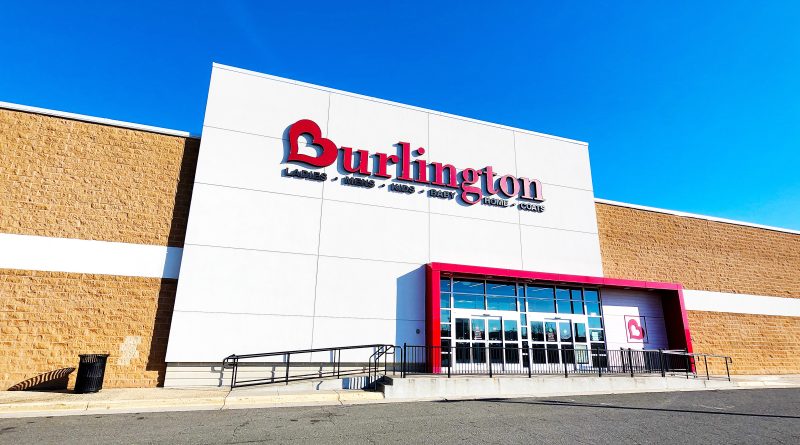
Burlington grows supply chain capacity with major warehouse expansion
Subscribe to our free newsletter today to keep up to date with the latest supply chain industry news.
Burlington’s plan to add 4 million square feet of warehouse space by 2028 reflects a broader shift in how retailers approach infrastructure. Warehouse networks were once treated as back-end operations, often optimized for cost. That approach is changing as logistics becomes central to growth and performance.
Retailers are aligning distribution capacity with long-term expansion plans. Burlington’s investment supports its store growth strategy, which depends on consistent and responsive inventory flow. Without sufficient capacity, expansion can create operational strain.
The US warehouse market has grown significantly, now exceeding 15 billion square feet. Demand remains elevated compared with pre-2020 levels. Companies that secure capacity early may avoid higher costs and limited availability in the future.
Burlington’s expansion is expected to improve inventory allocation and processing speed. Faster movement of goods through the network reduces delays between sourcing and store delivery, strengthening overall supply chain performance.
Off-price retail models require flexible and scalable supply chains
Burlington operates within the off-price segment, which depends on opportunistic purchasing. Unlike traditional retailers, off-price companies source goods from varied suppliers, often with little lead time. This creates variability in both volume and product mix.
Supply chains must adapt quickly to these fluctuations. Expanded warehouse capacity provides the flexibility needed to manage sudden increases in inventory without disrupting operations.
Competitors such as TJX Companies and Ross Stores have expanded their distribution networks to support similar models. These investments highlight the importance of supply chain agility in maintaining performance within the segment.
Flow-through efficiency remains a priority. Off-price retailers aim to move goods quickly from receiving to stores, limiting storage time. Additional capacity, supported by efficient processes, allows higher throughput while maintaining accuracy and cost control.
Distribution network expansion supports store growth and margin control
Warehouse expansion plays a direct role in enabling store growth. As Burlington increases its store count, its distribution network becomes more complex. More locations require precise inventory allocation and shorter delivery times.
Additional capacity allows for regional distribution strategies, placing inventory closer to stores. This reduces transportation distances and costs, while improving delivery speed.
Logistics efficiency also affects margins. Lower transportation costs and improved inventory accuracy contribute to overall profitability. For off-price retailers, maintaining cost discipline is essential to sustain competitive pricing.
Expanded capacity may also support improved demand forecasting. Better alignment between inventory levels and local demand can reduce excess stock and limit lost sales due to stock shortages.
Industry-wide logistics investments reflect a shift in retail competition
Burlington’s expansion aligns with a broader trend across the retail sector. Companies are increasing investment in logistics infrastructure as supply chains take on a more strategic role.
Warehouse growth accelerated in recent years due to e-commerce demand and supply chain disruptions. While the pace has moderated, logistics remains a priority for retailers focused on long-term resilience.
Technology is also shaping distribution strategies. Automation, data analytics and real-time tracking systems are improving efficiency and decision-making within warehouse operations.
Regional distribution models are gaining traction as companies seek to improve service levels and reduce reliance on centralized facilities. Burlington’s expansion supports this approach, strengthening its ability to serve a growing store network.
Burlington’s long-term positioning in a changing retail environment
Retail conditions remain uncertain, influenced by shifting demand patterns and broader economic pressures. Investment in logistics infrastructure can provide stability in this environment.
Burlington’s expansion increases its ability to manage inventory variability and respond to disruptions. Greater capacity supports both growth and operational flexibility.
Execution will determine the impact of this strategy. Warehouse space must be supported by efficient processes and data-driven systems to deliver full value. If implemented effectively, Burlington’s investment can strengthen its position within the off-price segment.
Retail competition continues to evolve. Supply chain capability is now a defining factor, shaping how companies scale, manage costs and respond to change. Burlington’s approach reflects this shift.
Source