Children’s characters lead a new chapter in product transparency
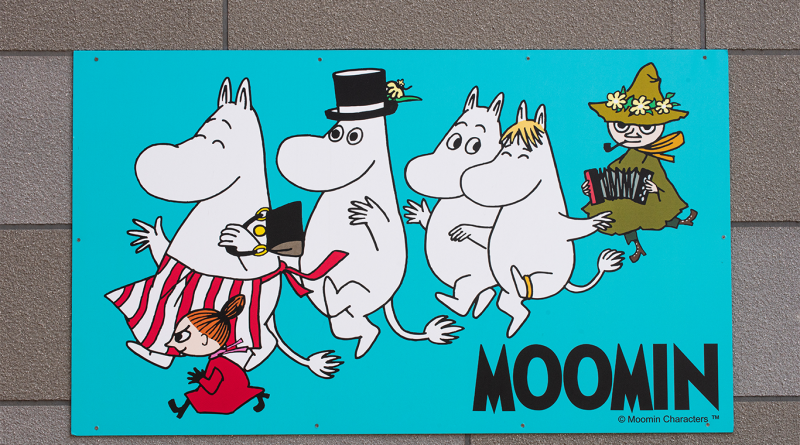
Few characters in children’s literature carry the cultural weight of the Moomins or Pippi Longstocking. For decades they have represented imagination, independence and Nordic storytelling. Now these familiar figures are taking on a new role that reflects the changing expectations of modern retail.
Licensing companies behind the two brands have introduced new technology designed to bring transparency to the supply chains that produce their merchandise. The initiative links licensed products to digital information that allows retailers and consumers to trace how items are produced and distributed.
For an industry that has often struggled with opaque sourcing and limited oversight, the move signals a wider shift. Brands increasingly recognize that transparency is no longer optional. It has become part of the value proposition for retailers and an expectation among consumers who want to know where their products come from.
The initiative focuses on improving traceability across licensed goods that carry the Moomin and Pippi Longstocking brands. Products linked to the system can provide digital verification of origin and supply chain details. Retailers gain clearer insight into where merchandise is manufactured, while brand owners gain stronger oversight of how their intellectual property is used in the marketplace.
While the characters themselves were created many decades ago, the approach reflects the realities of twenty first century commerce. Licensing now involves global networks of manufacturers, distributors and retailers. Managing those networks requires new tools that can track products from the factory floor to the store shelf.
Transparency becoming central to retail
Supply chain transparency has moved rapidly from a niche concern to a mainstream priority. Governments, retailers and consumers are demanding greater accountability across global production networks.
For licensing brands in particular the challenge can be complex. A single intellectual property may appear on hundreds of products across multiple countries. From clothing and toys to stationery and home goods, each category can involve different suppliers and manufacturing partners.
Without clear visibility it becomes difficult for brands to ensure standards are maintained. Issues such as counterfeit goods, unauthorized production or poor manufacturing practices can undermine both brand reputation and consumer trust.
Digital traceability systems are emerging as one of the most practical responses to this challenge. These systems assign unique identifiers to products that can link back to digital records. Those records may include information about manufacturing partners, materials and distribution channels.
Retailers benefit because they gain confidence in the authenticity of licensed goods. Consumers benefit because they can access information that confirms the legitimacy of a product. For brand owners the technology provides a level of oversight that was previously difficult to achieve across global licensing networks.
The decision by the Moomin and Pippi Longstocking licensing teams to adopt such systems reflects how widely these expectations have spread across the retail landscape.
A new role for digital product identity
At the center of the initiative is the concept of digital product identity. Rather than treating physical merchandise as disconnected items, each product can be linked to a digital record that travels with it through the supply chain.
This approach creates what is sometimes referred to as a digital passport for products. The passport contains structured data that can confirm authenticity and track movement through the distribution process.
For licensed brands this is particularly valuable. Intellectual property owners must maintain control over how their characters and imagery appear on merchandise. Digital identification helps verify that goods have been produced through approved licensing agreements.
The technology also helps address a longstanding issue in retail licensing. Counterfeit goods have historically been difficult to detect once they enter complex distribution networks. Digital verification allows retailers to confirm that products originate from legitimate suppliers.
In practice the process can be simple for the consumer. A product label or tag may include a scannable code that connects to the digital record. Scanning the code can reveal information about the brand licensing agreement, the manufacturing partner and other product details.
For younger audiences and parents purchasing character merchandise, the reassurance of authenticity can be a meaningful factor. Families buying items linked to beloved characters want confidence that the products are legitimate and responsibly produced.
Heritage brands embrace modern supply chains
Moomin and Pippi Longstocking occupy a unique place in global culture. The Moomins were created by Finnish author Tove Jansson in the nineteen forties and have grown into a worldwide licensing phenomenon. Pippi Longstocking, introduced by Swedish writer Astrid Lindgren, remains one of the most recognizable characters in children’s literature.
Both properties have expanded far beyond books. Their imagery appears across a wide range of licensed products, from apparel to household goods. That expansion has made supply chain oversight increasingly important.
By adopting digital transparency tools the licensing teams behind the brands are aligning heritage storytelling with modern retail expectations. The characters themselves may belong to earlier generations, but the systems that manage their commercial presence are evolving rapidly.
For the wider licensing industry the move reflects a broader shift toward accountability. Retailers and regulators alike are calling for clearer information about how products are manufactured and distributed. Digital traceability systems offer a practical route toward meeting those expectations.
The initiative also demonstrates how even established cultural brands are adapting to technological change. What began as simple storytelling properties have become complex global businesses. Managing those businesses requires tools that match the scale of their reach.
Transparency as a competitive advantage
Supply chain transparency is often discussed as a compliance requirement. Yet it is increasingly becoming a competitive advantage for brands that adopt it early.
Consumers have grown more attentive to how products are made. Ethical sourcing, environmental impact and product authenticity are no longer niche concerns. They influence purchasing decisions across a wide range of retail categories.
Brands that can clearly communicate the origin and legitimacy of their products are better positioned to build trust. In licensing markets that trust can translate directly into stronger relationships with retailers and distributors.
For the companies managing the Moomin and Pippi Longstocking brands the technology represents a proactive step. Instead of responding to regulatory pressure after the fact, they are building transparency directly into the licensing infrastructure.
Retail partners gain greater assurance that licensed goods are genuine. Brand owners gain improved control over their intellectual property. Consumers gain clearer insight into the products they purchase.
The result is a supply chain that functions with greater clarity and accountability.
A signal for the licensing industry
The adoption of transparency technology by two iconic literary brands may seem like a small step within the broader retail economy. Yet it reflects a wider transformation that is reshaping how products move through global markets.
Supply chains that once operated largely out of public view are becoming more visible and more accountable. Digital tools now allow brands to trace the journey of goods with a level of detail that was previously difficult to achieve.
For the licensing sector this transformation carries particular significance. Character brands depend heavily on trust. Parents buying merchandise tied to beloved stories expect authenticity and quality.
By linking licensed goods to transparent supply chain systems, brand owners reinforce that trust while strengthening their oversight of global production networks.
In this way characters created decades ago are helping illustrate the future of retail transparency. Through digital verification and traceable supply chains, the worlds of Moomin Valley and Pippi Longstocking are stepping into a new era of responsible commerce.
Source: