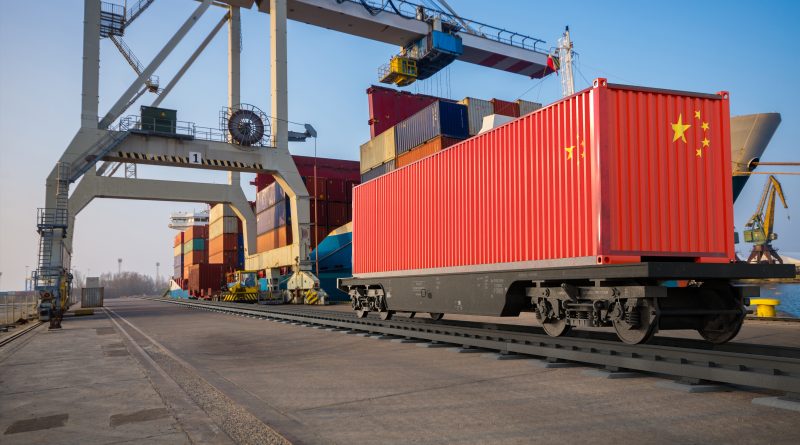
Chinese goods record biggest monthly price gain since 2008 as US import costs rise
Subscribe to our free newsletter today to keep up to date with the latest renewable energy news.
US import prices unexpectedly increased in June, defying forecasts that anticipated a decline and raising fresh questions about inflation, trade policy and supply chain costs. The latest figures from the Bureau of Labor Statistics showed import prices rose 0.3% during the month, driven largely by a sharp increase in the cost of goods arriving from China.
While falling energy prices had been expected to offset broader import costs, higher prices across consumer goods, capital equipment and industrial products pushed overall import prices higher. Most notably, prices for imports from China posted their largest monthly increase since January 2008, suggesting tariffs and changing trade dynamics are beginning to feed more directly into the prices US businesses pay.
For manufacturers, distributors and logistics providers, the figures represent more than another inflation data point. They may signal the start of a period in which higher sourcing costs become a more persistent feature of international trade.
How tariff costs are beginning to move through supply chains
For much of the past year, economists have debated whether import tariffs would eventually translate into higher prices or remain largely absorbed by manufacturers, exporters and importers. June’s data suggests the balance may be shifting.
Although import prices often fluctuate alongside fuel costs, this month’s increase occurred despite lower energy prices. Instead, price growth was spread across several categories, including capital goods, consumer products and technology equipment. That pattern indicates broader cost pressures rather than isolated movements in commodity markets.
The increase in Chinese import prices stands out. After years of relatively stable pricing, the latest rise marks the strongest monthly gain in nearly two decades. Businesses sourcing components, machinery or finished products from China may now face a combination of higher production costs, tariffs and transportation expenses.
The timing is significant. Many companies have already diversified suppliers since the first round of US-China tariffs several years ago. Others have expanded sourcing into Southeast Asia, Mexico and India. Even so, China remains deeply integrated into global manufacturing, particularly for electronics, industrial machinery and intermediate components that feed production elsewhere.
As those costs rise, the effects can ripple across multiple industries before products ultimately reach consumers.
Businesses may need to rethink sourcing and inventory strategies
Higher import prices rarely affect every company equally. Organizations with diversified supplier networks or long-term purchasing contracts may experience relatively modest impacts. Others that remain heavily dependent on imports from China could face immediate pressure on operating margins.
Manufacturers are likely to review procurement strategies, negotiate supplier agreements and evaluate alternative sourcing locations. Some businesses may accelerate investments in regional production or nearshoring initiatives to reduce exposure to future trade disruptions.
Logistics providers also face a changing landscape. Higher product values can influence inventory management decisions, transportation planning and warehouse utilization. Importers may seek to consolidate shipments, adjust ordering schedules or build additional inventory ahead of potential tariff changes or seasonal demand.
Capital investment decisions may also become more complex. Companies importing production equipment or industrial machinery could encounter higher acquisition costs, potentially delaying expansion projects or encouraging greater emphasis on equipment maintenance and productivity improvements.
Retailers, meanwhile, must determine how much of any additional cost can realistically be passed on to customers without affecting demand. That calculation varies significantly by sector, product category and competitive environment.
The latest trade data could shape inflation expectations well beyond this year
Import prices represent only one element of the broader inflation picture, but they provide an early indication of cost pressures entering the US economy.
If import costs continue rising over coming months, producers may gradually pass those increases through supply chains, eventually influencing producer prices and consumer inflation. That possibility will attract close attention from policymakers as they assess the trajectory of inflation and the potential timing of future monetary policy decisions.
The data also highlights the increasingly complex relationship between tariffs and inflation. While tariffs are often viewed as a policy tool to support domestic manufacturing or influence international trade negotiations, their economic effects can emerge gradually as businesses adjust contracts, inventories and sourcing arrangements.
For business leaders, the latest figures reinforce the importance of supply chain resilience rather than simply pursuing the lowest available purchase price. Supplier diversification, stronger demand forecasting and greater visibility across procurement networks have become strategic priorities rather than operational improvements.
Whether June’s increase proves temporary or marks the beginning of a sustained trend will depend on future trade policy, currency movements and global demand. Even so, the latest report suggests the cost of importing goods into the US is becoming a more important factor in business planning once again.
For manufacturers, logistics providers and importers, that means monitoring trade data may become as important as watching freight rates or inventory levels. Rising import prices are no longer just an economic statistic. They are becoming a practical consideration that could influence sourcing decisions, investment strategies and competitive positioning throughout the months ahead.
Source