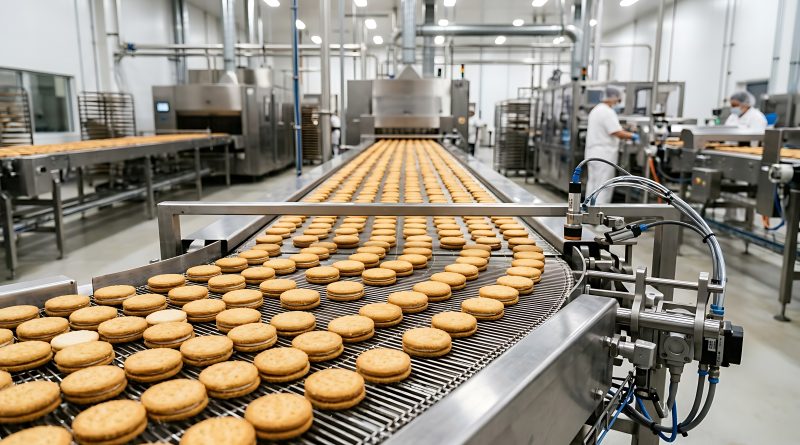
Food Processing Plant Expansion: A Project Manager’s Timeline and Checklist
Expanding a food processing plant means managing downtime, regulatory risks and contamination hazards that can halt production and trigger legal issues. This four-phase timeline reflects best practices from Foss General Contractors, an industrial contractor specializing in food and beverage facility construction across California and Nevada. Its approach prioritizes FDA and USDA standards while minimizing operational disruption during active construction.
Phase 1: Feasibility and Contractor Selection
The first quarter, or months one to three, focuses on scope definition and construction partner vetting. Project managers must establish capacity requirements and budget constraints before soliciting bids.
Food processing is a growing industry, with 42,708 U.S. plants by 2022, but budgeting remains a primary consideration before expanding infrastructure. According to Foss General Contractors, effective planning helps prevent costly mid-project changes and supports alignment between stakeholders.
Developing a food facility requires specialist knowledge with deep expertise. Industry analysts project that food and beverage manufacturing will continue to grow through 2034, driving demand for qualified construction partners that understand sanitary design and regulatory frameworks. Seek firms with industrial piping expertise and proven FDA/USDA compliance in active plant production environments.
Food safety and sanitary planning consistently rank among manufacturers’ top concerns during the feasibility phase. Addressing these early helps prevent expensive rework later. Interview multiple candidates and verify their food-specific credentials before making a selection.
Phase 1 Checklist
- Establish capacity requirements and budget constraints.
- Define project scope before soliciting bids.
- Seek firms with industrial piping expertise and FDA/USDA compliance.
- Verify food-specific credentials and track record in active facilities.
- Interview multiple construction partner candidates.
Phase 2: Design and Compliance Verification
Engineering sanitary principles into facility plans is nonnegotiable, especially during the verification period of months three to five. Poor planning decisions create contamination risks that are difficult and expensive to correct after construction begins. Design teams must specify proper materials and sanitary surface finishes during this phase to meet government standards.
Foss General Contractors emphasizes that product integrity risks begin with facility planning and construction. Equipment placement and maintenance access factor into meeting regulatory requirements. Material specifications and hygienic zoning establish the foundation for compliant operations.
Coordination between mechanical, electrical and process engineering teams is critical. HVAC systems, process piping and utility infrastructure must integrate without creating dead zones or areas where sanitary breaches can develop. Engage regulatory consultants early to review plans and identify potential gaps before breaking ground.
Phase 2 Checklist
- Specify proper materials and sanitary surface finishes.
- Plan equipment placement with maintenance access in mind.
- Coordinate mechanical, electrical and process engineering teams.
- Engage regulatory consultants to review plans.
- Identify potential compliance gaps before breaking ground.
Phase 3: Phased Construction and Installation
Expanding an active food processing facility requires careful planning and takes five to eight months to mature. Phased execution allows production to continue in unaffected areas while work proceeds in isolated zones. It reduces revenue loss but requires tight coordination between installation teams and plant management staff.
Foss General Contractors coordinates work schedules with facility teams and provides dedicated oversight from experienced supervisors who understand food facility requirements. This hands-on management helps maintain safety protocols and quality standards throughout the project.
Effective phased work requires mapping shutdown periods, managing traffic flow and implementing barrier controls. Barrier systems and strict hygiene protocols protect active production areas. Because routine and targeted surveillance inspections by the FDA can occur at any time, ongoing regulatory adherence remains essential even during construction.
Process and sanitary piping installation must follow distinct protocols. Installation and testing procedures differ significantly from standard industrial work. Firms unfamiliar with these requirements can introduce vulnerabilities that lead to quality compromises or failed inspections.
Phase 3 Checklist
- Map shutdown periods and traffic flow patterns.
- Implement barrier controls to protect active production areas.
- Coordinate work schedules with facility operations teams.
- Maintain strict hygiene protocols throughout construction.
- Ensure sanitary piping follows distinct installation protocols.
Phase 4: Commissioning and Validation
From month nine onward, final testing and verification confirm that the expansion meets specifications and regulatory requirements. Wet runs test equipment under actual operating conditions, revealing issues that dry runs miss. Capacity testing verifies that new lines or expanded production areas can achieve the target throughput.
A construction partner experienced in food and beverage projects understands sanitary design principles and USDA regulations governing food-grade materials. This expertise is critical during commissioning, when final adjustments and corrections are made. Documentation must be thorough and inspection-ready.
Final regulatory sign-offs can include USDA inspections and third-party audits, depending on the facility’s certifications. Allow time for remediation if inspectors identify deficiencies. Training production staff on new equipment and processes should begin during commissioning to facilitate a smooth transition to full operation.
Phase 4 Checklist
- Conduct wet runs under actual operating conditions.
- Verify new lines achieve the target throughput.
- Complete USDA inspections and third-party audits.
- Prepare thorough, inspection-ready documentation.
- Train production staff on new equipment and processes.
Frequently Asked Questions on Food Processing Plant Expansion
Common questions about facility expansion timelines and operational continuity arise during project planning.
What are the top risks during an upgrade?
Production downtime, cross-contamination and regulatory failures represent the most significant challenges. An experienced food facility specialist can help mitigate these concerns through proper planning, phased execution and strict adherence to sanitary protocols.
How do you expand without stopping production?
Phased execution isolates work zones from active production areas using temporary barriers and controlled access points. Scheduling work during off-shifts or planned maintenance windows further reduces disruption. Maintaining sanitary zones throughout the building phase protects product integrity.
Moving Forward With Your Expansion
A structured, four-phase approach helps reduce operational challenges and maintain regulatory adherence during facility expansion. Selecting a construction partner with food and beverage expertise from the outset helps prevent costly delays and regulatory issues.
*Please note that this list includes sponsored content. Some of the companies, products, or services featured have entered into commercial agreements for placement. Sponsored placements do not necessarily reflect an endorsement and should be considered alongside other options in the marketplace.