How China’s waste oil is powering America’s biofuel boom
Subscribe to our free newsletter today to keep up to date with the latest supply chain industry news.
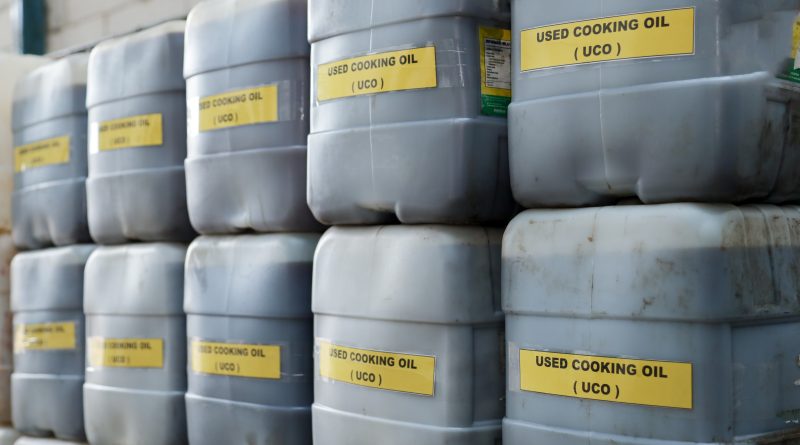
Used cooking oil, once treated as a low-value byproduct of the food industry, now moves through global supply chains with growing strategic importance. The shift is tied to the expansion of renewable diesel and sustainable aviation fuel, both of which depend on waste-based feedstocks to meet emissions targets.
In the US, demand has moved beyond domestic supply. Imports of used cooking oil and related feedstocks have climbed sharply, with total inbound volumes of fats, oils and greases approaching 5 billion pounds in 2023, more than double the previous year. This signals a structural change as refiners expand capacity and secure long-term supply.
Waste oils carry lower carbon intensity than virgin vegetable oils, making them attractive under regulatory systems that reward emissions reductions. Material once discarded is now traded and priced across borders, supported by logistics networks built to move liquid waste at scale.
Why the US is turning to China to meet feedstock demand at scale
The US faces limited room to expand domestic supply. Collection systems are well established, leaving little opportunity for large increases in volume. Buyers have turned to international markets to close the gap.
China has become the leading exporter. Its large food service sector generates significant volumes of used cooking oil, supported by networks that collect, process and prepare the material for export. Shipments have risen to nearly 3 million metric tons in recent years, with the US taking a substantial share.
Cost and logistics shape the trade. Bulk shipments move along established maritime routes, often using return capacity that would otherwise go unused. This lowers transport costs and supports a steady flow into US refining centers.
This reliance introduces exposure. As imports grow, US refiners become more sensitive to export policy, pricing shifts and supply conditions in China. Small policy changes can affect availability and margins across the supply chain.
How policy is reshaping global trade flows for low carbon fuels
Policy remains the central force behind demand. Federal renewable fuel standards and state-level programs create incentives for fuels with lower lifecycle emissions. Used cooking oil fits within these systems, offering compliance value beyond its base cost.
Ambitions continue to expand. Targets for sustainable aviation fuel point to billions of gallons of annual production within the next decade. Meeting these targets will require more feedstock, increasing competition for waste oils and fats.
The impact extends beyond the US. Europe and Asia are also competing for the same supply. Exporters shift shipments based on pricing signals and regulatory conditions, creating a more connected market.
Feedstocks have become globally traded commodities, influenced by policy decisions as much as physical supply.
Logistics, traceability and risk in a fragmented supply chain
Transporting used cooking oil across borders brings operational challenges distinct from traditional energy commodities. Collection begins at dispersed sources such as restaurants and food processors, requiring aggregation before processing and export.
This structure creates traceability concerns. Systems must confirm that exported material meets sustainability standards and is not mixed with non-compliant inputs. Certification and auditing processes add complexity to the supply chain.
Trade tensions introduce further uncertainty. Tariffs, export restrictions or subsidy changes can quickly alter trade flows. Logistics providers must manage both physical movement and regulatory exposure across markets.
Infrastructure is evolving to support demand. Storage facilities, tankers and port systems are adapting to handle rising volumes of waste-based feedstocks. These investments suggest the trade will continue to expand.
What the rise of waste oil means for energy and freight markets
Used cooking oil is reshaping energy and logistics markets. For energy producers, sourcing decisions now depend on policy incentives as well as availability.
For freight operators, new trade flows are emerging. Tanker routes, storage demand and inland transport networks are adjusting to accommodate a product that bridges waste management and energy supply.
Constraints remain. Global supply is finite, and demand growth is expected to outpace increases in collection. This raises questions about pricing and the role of alternative feedstocks.
The distinction between waste and resource has shifted. Used cooking oil now functions as a key input in lower-carbon fuel production, moving across global supply chains with increasing significance.
Source