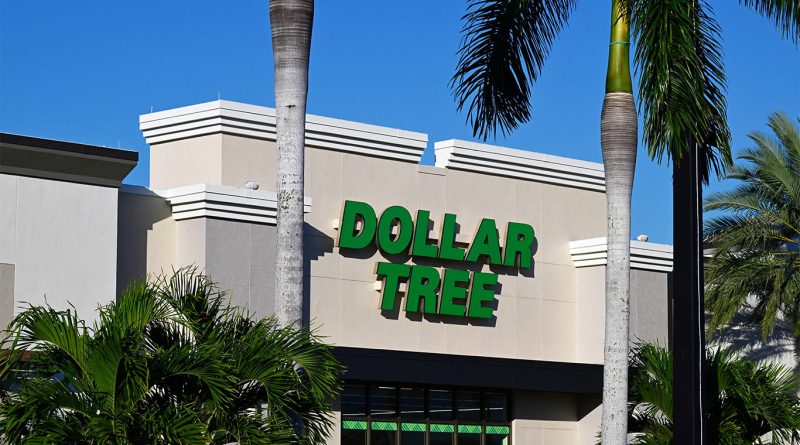
Inside Dollar Tree’s push to build a faster and more resilient logistics network
Subscribe to our free newsletter today to keep up to date with the latest supply chain industry news.
Dollar Tree is reshaping its logistics network as discount retailers confront a more unpredictable operating environment defined by tariffs, extreme weather and rising transportation costs.
The company’s latest investment, a one million square foot distribution center in Litchfield Park, Arizona, reflects a broader effort to make its supply chain faster, more flexible and less vulnerable to disruption. The facility will support roughly 700 stores across the western and southwestern United States and is expected to begin outbound deliveries next month.
For retailers operating on narrow margins, logistics resilience has become more than an operational concern. It is increasingly central to profitability.
Roxanne Weng, Dollar Tree’s chief supply chain officer, said the retailer is focused on positioning infrastructure closer to stores in order to reduce transit times and improve inventory flow. The company is also optimizing delivery routes, aligning inbound and outbound freight more efficiently and investing in upgraded warehouse and yard management technology.
The strategy highlights how large retailers are rethinking supply chains after years of disruption exposed weaknesses in lean operating models. Pandemic era shortages, inflationary freight costs and climate related events have accelerated investment in regional distribution capacity across the retail sector.
Distribution strategy becomes a competitive advantage
Dollar Tree’s own network vulnerabilities became clear after a tornado destroyed its Marietta, Oklahoma distribution center in 2024. The loss increased transportation costs and disrupted network efficiency, forcing the company to rebalance freight flows across its wider operation. A replacement facility is now scheduled to open in 2027.
The company’s logistics overhaul comes at a pivotal moment. Dollar Tree has spent the past several years moving away from its historic single price model while simplifying operations following the sale of Family Dollar. The divestment allows management to concentrate capital and operational resources on the core Dollar Tree business after years of integration challenges.
That focus appears to be extending deep into the supply chain.
At investor events last year, executives outlined plans to secure multi year freight contracts covering roughly three quarters of inbound and outbound shipping volumes. The agreements are designed to reduce exposure to volatile spot freight markets while improving service reliability.
The retailer is also diversifying sourcing and balancing imports across multiple ports and carriers. That approach reflects a broader shift among large retailers attempting to reduce dependence on any single geography or logistics pathway.
Supply chain resilience enters a new phase
The timing is significant. Tariff uncertainty and geopolitical instability continue to place pressure on sourcing strategies across the retail industry. Dollar Tree executives have said the company is using pricing flexibility, supplier negotiations and tighter inventory management to offset rising import costs.
The supply chain investments also align with a larger transformation taking place across discount retail.
Competitors including Dollar General have been simplifying assortments, restructuring warehouse operations and reducing excess inventory to improve efficiency and limit shrinkage. Analysts increasingly view logistics execution as a key differentiator in value retail, where small operational gains can have an outsized impact on margins.
For Dollar Tree, resilience now appears to be the central objective.
The Arizona distribution center is not simply additional warehouse space. It is part of an effort to create a network capable of absorbing disruption while supporting future growth. The company currently operates more than 15,000 stores across North America, making logistics precision critical to maintaining product availability and low prices.
Retailers once optimized supply chains primarily around cost. Increasingly, they are optimizing around continuity.
Dollar Tree’s latest investments suggest the industry is entering a period where resilience itself may become a competitive advantage.
Source