Iran war disrupts global trade as shipping routes stall and costs surge
Subscribe to our free newsletter today to keep up to date with the latest supply chain industry news.
The war involving Iran is beginning to ripple through global trade networks, disrupting shipping routes, raising freight costs and forcing logistics operators to rethink long established supply chains.
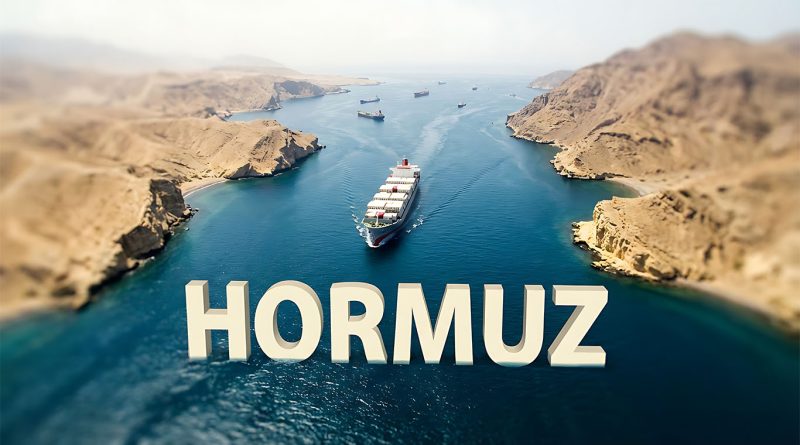
What started as an energy shock is now extending into container shipping, port operations and industrial supply flows. The Strait of Hormuz, one of the world’s most critical maritime chokepoints, has become a focal point of disruption, with vessel traffic severely reduced and many carriers suspending or rerouting services.
More than 100 vessels have been stranded or diverted in recent weeks, while major shipping lines have paused Middle East routes altogether. The result is a growing backlog of cargo, rising costs and increasing uncertainty for global trade flows.
How the conflict is disrupting global shipping
The Strait of Hormuz typically handles around one fifth of global oil flows, but it also serves as a key artery for broader trade between Asia, the Middle East and Europe.
Since the escalation of the conflict, shipping traffic through the strait has dropped sharply as vessels avoid the المنطقة due to security risks, insurance costs and direct threats to commercial shipping. In some cases, attacks on merchant vessels and warnings from Iranian forces have effectively halted transit altogether.
Container carriers including Maersk and Hapag Lloyd have responded by suspending services into parts of the Gulf, while others are rerouting cargo to alternative ports in the Indian Ocean.
This has created congestion in secondary hubs, where cargo originally destined for Gulf markets is being offloaded. Some shipping firms have declared end of voyage at alternative ports, leaving cargo owners to arrange onward transport independently.
The disruption is not limited to containers. Oil tankers and bulk carriers are also being delayed or rerouted, contributing to broader volatility across energy and commodity markets.
Rising costs and pressure across supply chains
As shipping routes become constrained, costs are rising across multiple parts of the supply chain. Freight rates from Asia have begun to climb, while fuel costs have surged alongside oil prices, which have moved above 100 dollars per barrel in recent weeks.
Ports in the United States and elsewhere are already feeling the effects. While cargo volumes have not yet dropped sharply, operators report higher bunker fuel costs and increased security requirements, both of which are feeding into overall logistics expenses.
The knock on effects extend beyond transport. Fertiliser exports, petrochemicals and industrial inputs that rely on Gulf production are also being disrupted, raising concerns about downstream impacts on agriculture and manufacturing.
For import dependent regions in Asia and parts of Europe, the risk is not only higher costs but also potential shortages if the disruption persists.
At the same time, businesses are facing legal and operational uncertainty. Contracts tied to specific delivery routes are being challenged, while insurers are reassessing risk exposure in the region.
A broader test for global trade resilience
The emerging disruption highlights how quickly geopolitical conflict can translate into economic shock. While some analysts argue the impact may remain concentrated in energy markets, the early signs suggest a wider strain on logistics networks.
Modern supply chains are highly interconnected, and even limited disruptions at key chokepoints can create cascading effects. Rerouted vessels increase transit times, tie up capacity and reduce overall network efficiency.
Airspace closures across parts of the Middle East have added another layer of complexity, forcing airlines to reroute cargo flights and increasing transit times for high value goods.
For logistics operators, the situation is becoming a test of flexibility. Companies are seeking alternative routes, diversifying suppliers and building contingencies, but these adjustments come with added cost and complexity.
The longer the disruption continues, the greater the likelihood that it feeds into inflationary pressure, particularly through energy and transport costs.
What is becoming clear is that the conflict is no longer just an energy story. It is evolving into a broader trade disruption, affecting how goods move across regions and how supply chains are structured.
As vessels reroute, ports adjust and companies absorb higher costs, the global trading system is once again being reshaped by geopolitical risk.
Sources