Museum of Ice Cream blends smarter supply chains and strategic merchandising to create sweeter guest experiences
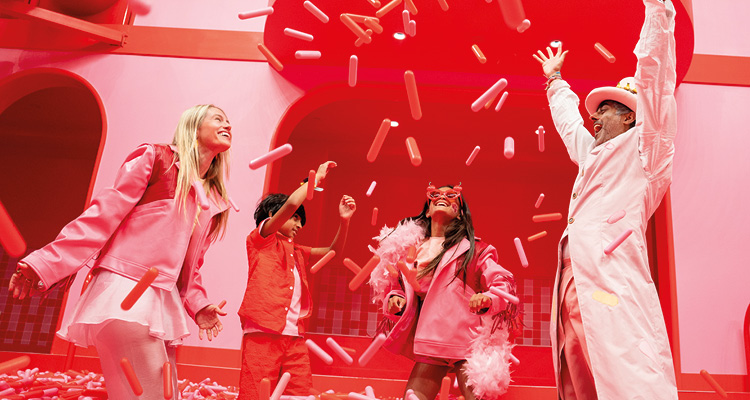
What if you could step into a world built around the joy of ice cream? At Museum of Ice Cream, guests can dive into Sprinkle Pools, explore imaginative spaces, and indulge in unlimited ice cream. Founded in 2016, the brand brings people together through play, discovery, and shared experiences. With museums across the US and in Singapore, it offers friends, families, and couples a place to celebrate, connect, and make memories together.
When Supply Chain World last sat down with Aileen Galicia Torres, Vice President of Supply Chain and Retail at Museum of Ice Cream, in 2025, we discussed how improved demand planning, inventory visibility, and smarter logistics are helping the business scale efficiently while continuing to create immersive experiences.

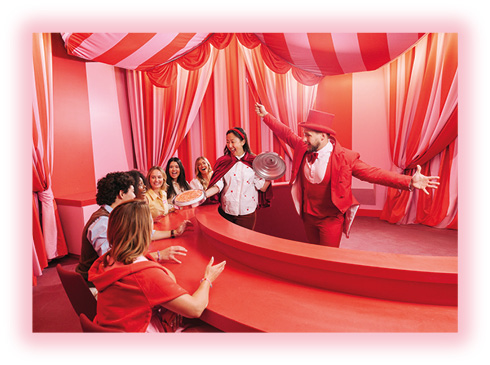
Since that conversation, Museum of Ice Cream has opened its Las Vegas museum at AREA15, featuring an all-you-can-eat ice cream buffet. The opening has brought new lessons in demand planning and replenishment as the business builds repeatable systems across its portfolio. Aileen rejoins us alongside her colleagues Tiffany Park and Emily Brantley to discuss how the teams support those experiences.
“For the Las Vegas opening, retail readiness was essential because the product had to be there before the doors opened and keep up every day after,” Aileen reveals. “We were building inventory for a location we had no historical data on, inside a venue like AREA15 that draws a different guest profile than a standalone museum. My team responded, working closely with the site operations team, increasing replenishment frequency, and treating the first 90 days as a live stress test. We adjusted in real time rather than waiting for a full month of data to tell us what we already knew from the floor.”
Forecasting the unlimited
The all-you-can-eat ice cream buffet adds another layer of complexity to demand planning. Keeping the experience consistently available means understanding what guests consume as well as how many arrive.
“Unlimited means your demand is not fixed. You’re not portioning per ticket, so forecasting off guest count alone doesn’t work. You must forecast based on guest behavior. We look at historical consumption by day of week and by season, and we adjust par levels based on what we’re seeing on the floor, not what we projected a month ago,” Aileen explains. “Las Vegas challenged our assumptions from day one. We had to increase delivery frequency, tighten supplier communication, and build in redundancy, so a spike weekend doesn’t wipe us out. At that scale, cold chain reliability matters as much as the forecast. If your logistics partner misses a window, you feel it that same day.”
Taking the joy home
The same attention to guest behavior is informing the next phase of retail development. The ambition is to extend the joy beyond the museum’s four walls through products people want to wear, use, collect, and give. “Great merchandising sits at the intersection of creativity, consumer insights, and business strategy. It’s about identifying what guests want, understanding purchasing behavior, analyzing sales performance, and strengthening the connection between the guest and the brand long after their visit ends,” Emily affirms.
“We took a more strategic approach to evaluating our assortment, looking at category performance down to specific attributes of the product, best sellers, price architecture, and opportunities to introduce newness. We also considered how products complement one another, how they’re presented in-store, and how we can create opportunities for both impulse purchases and higher-value transactions. Our goal is a more cohesive range, refreshed designs and expanded product offerings, with a stronger emphasis on quality, functionality and gifting. We are also placing greater importance on visual merchandising and how products are presented, making the retail environment more intuitive, engaging, and shoppable.”
Tiffany adds: “Every product begins with a clear understanding of its purpose, whether that’s enhancing the guest experience, supporting an in-museum experience, or driving retail sales. For retail merchandise specifically, the process starts with merchandising strategy. We evaluate customer demand, historical sales performance, category opportunities, price points, and how a new product fits within the overall assortment. From there, we move into concept development, design, sourcing, and sampling. Our team works closely with vendors to evaluate materials, product quality, cost, production feasibility, and lead times. One of the advantages of having merchandising and supply chain under the same leadership is that we’re considering commercial viability and operational execution from the very beginning.
“Once a product is approved, we coordinate production, quality control, logistics, inventory allocation, and launch planning,” she continues. “For retail, that also includes how the product will be displayed, marketed, and supported on the sales floor. The process doesn’t end when the product arrives in store. We continue monitoring sales performance and guest response to inform replenishment decisions, future development, and assortment optimization.”
Built to scale
As Museum of Ice Cream continues to expand, the opportunity is to connect brand direction and guest understanding more closely with merchandising and supply chain planning. The business is strengthening collaboration across brand and marketing, design, operations, retail, and supply chain, so product briefs reflect the guest experience alongside commercial and operational requirements. That shared approach can help the retail offering feel like a continuation of the visit and keep the joy of the brand present in guests’ everyday lives.
“The supply chain infrastructure must scale with the portfolio, and that means getting ahead of freight costs now, before new sites open,” Aileen concludes. “We’re also evaluating the internal operating systems and resources needed as the portfolio grows. The goal is a supply chain function that scales with the business. Supply chain in an experiential business is different from that in traditional retail. You’re not just moving product; you’re supporting an experience that must feel effortless to the guest, even when the operation behind it is complex. Every scoop of ice cream, every piece of merchandise, every prop in an installation got there because someone planned it, sourced it, shipped it, and put it in the right place at the right time. That’s the work, and it’s been exciting to build that function here.”