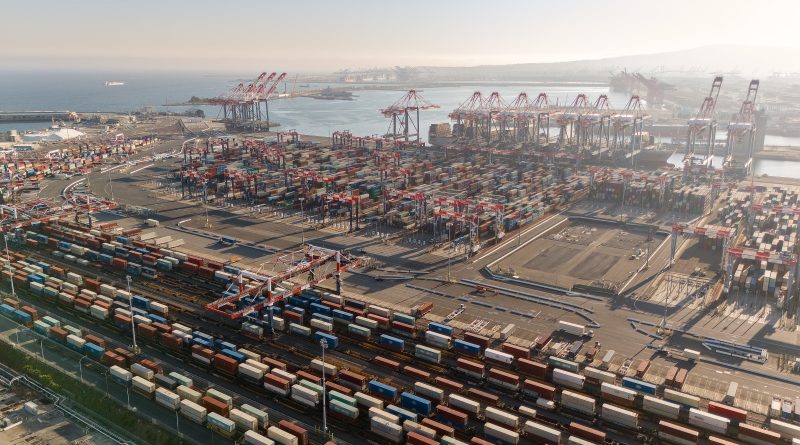
Tariff uncertainty keeps supply chains on edge
Subscribe to our free newsletter today to keep up to date with the latest renewable energy news.
The latest court battle over US tariffs presents another challenge for manufacturers, importers and procurement teams trying to plan in an increasingly complex trade environment.
A federal appeals court has allowed the government to continue collecting a 10% worldwide tariff while legal challenges proceed. The decision preserves the current trade framework in the short term, but leaves businesses with limited visibility into how tariff policy may evolve in the months ahead.
For companies that rely on global sourcing, the issue is not simply the cost of tariffs. It is the difficulty of making long-term decisions when future trade costs remain unclear.
Tariffs influence supplier selection, pricing strategies, inventory management and capital investment. Even when businesses can absorb higher duties, they still need confidence in future cost structures before committing to major supply chain changes.
Cost visibility remains a key concern for procurement teams
The immediate challenge for procurement leaders is forecasting.
Importers need to understand whether duties are likely to remain in place, change through the appeals process or be replaced by alternative trade measures. Those possibilities affect supplier contracts, customer pricing and purchasing strategies.
Manufacturers face similar pressures. Imported components often represent a significant share of production costs, particularly in sectors such as industrial equipment, electronics and consumer goods. Changes in tariff policy can quickly alter the economics of production and sourcing.
The result is a more cautious operating environment. Some organizations may postpone supplier transitions until the legal outlook becomes clearer. Others may increase inventory levels as a hedge against potential policy changes, even though doing so can increase working capital requirements and storage costs.
Large multinational manufacturers may have the flexibility to diversify suppliers across multiple regions. Smaller importers often have fewer alternatives and may be more exposed to tariff-related cost increases.
Sourcing strategies are being tested again
The ongoing appeal keeps trade risk near the top of the agenda for supply chain leaders.
Businesses are already managing freight volatility, geopolitical tensions, labor shortages and shifting customer demand. Tariff exposure now sits alongside those challenges as another factor influencing sourcing decisions.
Many organizations are evaluating suppliers based on total landed cost rather than purchase price alone. Duties, transportation expenses, lead times and compliance requirements all play a larger role in sourcing calculations than they did several years ago.
For some companies, nearshoring or domestic production may become more attractive. Others may determine that established overseas supply networks still offer the best balance of cost, quality and capacity.
Supplier negotiations are also becoming more complex. Buyers and vendors must decide how tariff-related costs will be allocated, particularly in longer-term agreements where pricing assumptions may have changed significantly since contracts were signed.
At the same time, manufacturers considering facility expansions or major procurement programs may delay decisions until there is greater clarity around future trade policy.
Planning for multiple outcomes
The legal process may continue for some time, and trade policy is likely to remain an important factor in supply chain planning regardless of the final outcome.
Organizations that are best positioned to respond are treating tariff exposure as part of a broader risk-management strategy. That includes mapping supplier dependencies, reviewing customs classifications, modeling different duty scenarios and assessing contract flexibility.
Supply chain leaders cannot control the outcome of the court case. They can, however, build networks that are better prepared for policy shifts.
The latest appeal serves as a reminder that trade policy remains a significant variable in global supply chains. For manufacturers, importers and procurement teams, the priority is not predicting every legal development. It is creating sourcing strategies that remain resilient under a range of potential outcomes.
Source