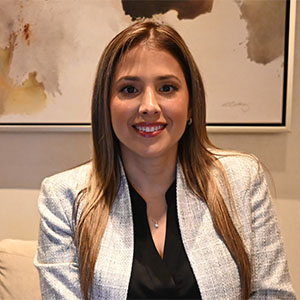
Tatiana Muoz of Hardis Supply Chain reflects on two decades in warehousing, technology, and leadership
1. Let’s start with an introduction to you and your career journey.
I began my career in Miami when I was 18 years old, so I have spent nearly my entire professional life in supply chain. I started on the operational side, which gave me the opportunity to understand firsthand how transportation, warehousing, customer service, and people all must work together to keep a supply chain moving.
Originally from Colombia, I moved to the US and worked in the 3PL industry in Miami, where I held leadership roles in transportation and warehousing operations. I was fortunate to have the opportunity to build and expand operations, work with customers across different industries, and lead teams through periods of significant growth.
After many years in operations, I moved into supply chain technology and WMS. It was a natural progression for me because I had seen the challenges that warehouse teams were dealing with every day and wanted to help solve some of those problems through technology. Today, as Director of Business Development for North America at Hardis Supply Chain, I can bring those experiences together. I understand the operational challenges because I lived them, and I can now help companies evaluate technology and processes with those realities in mind.
2. What did the early years of your career teach you that you still rely on today?
Starting so young taught me that supply chain is ultimately a people business. Technology, processes, and equipment are important, but none of them work without the people operating them and the people making decisions. Those early years also taught me to be curious. I wanted to understand why things were done a certain way instead of simply accepting that something was the way it had always been done. That mindset has stayed with me throughout my career.
I was also fortunate to work with leaders who trusted me with responsibility. They gave me opportunities to learn by doing, including opportunities where I had to step outside my comfort zone. That experience helped me develop confidence and taught me that you don’t have to know everything before you take on a challenge, but you must be willing to learn.
3. What was it like adapting to a new market and business culture when you moved from Colombia to Miami?
The move to Miami was a major personal and professional transition. I was excited about the opportunity, but I also understood that I was entering a new market where I needed to learn the culture, the customers, and the way business was conducted.
Miami was particularly interesting because of its international character. I was able to work with people from
many different countries and backgrounds, and that actually helped me adapt. I learned very quickly that you must listen before you assume you understand what a customer or employee needs.
Moving to a new country also taught me resilience. There are going to be moments when you don’t have the same network or familiarity that you had in your home country. You have to build that network, earn trust, and prove yourself through your work. That experience continues to influence how I approach business today, particularly when I’m working with companies entering a new market.
4. Of everything you built in the role of Director of Operations at a 3PL company, what was hardest, and what did it teach you about leading people?
Launching the warehousing division was probably the most challenging because it required building something from the ground up. You are creating processes, hiring people, establishing expectations, and developing customer relationships at the same time. It taught me that leadership is not about having all the answers but about creating an environment where people can do their jobs well, asking the right questions, and giving people ownership.
I also learned that different people are motivated in different ways. A good leader understands the people on the team and meets them where they are. When people feel respected and understand how their work contributes to the larger objective, they become much more invested in the outcome.
5. What made you move from running operations to the technology side of the industry?
After spending so many years in operations, I had seen the same problems repeatedly. I saw teams spending enormous amounts of time on manual processes, working around limitations in their systems, or trying to get information from different places. I became more interested in the question of how technology could make those operations better rather than simply asking people to work harder.
Moving into WMS technology allowed me to approach those problems from another perspective. Instead of managing the warehouse myself, I could work with organizations to understand their processes, identify opportunities for improvement, and help them implement technology that supports their teams. It was really a progression rather than a complete career change. I was taking the operational knowledge I had developed and applying it in a different way.
6. In nearly 20 years of watching technology enter warehouses, why do so many tech projects fall short, and what should a company understand before starting one?
One of the biggest mistakes is treating technology as the solution rather than looking first at the business problem the company is trying to solve. A WMS implementation is not simply an IT project. It affects warehouse employees, supervisors, management, inventory, transportation, customer service, and often other parts of the organization. If the people who use the system every day aren’t involved, it becomes much harder to achieve the expected results.
Companies also need to understand their own processes before they start. You need to know where you are today, where you want to go, and what success actually looks like. Also, change management is critical. Even the best technology will struggle if people don’t understand why the change is happening or don’t have the training and support they need.
7. What was it like, professionally and personally, to help build Hardis Supply Chain’s US presence from the start?
Building a presence from an early stage is exciting because you can shape something rather than simply step into something that already exists. Professionally, it has required a lot of listening and learning. Personally, it has been incredibly rewarding. I enjoy building relationships and creating opportunities, so being part of Hardis Supply Chain’s growth in North America has been a great fit for me. It also requires patience. Building credibility in a new market doesn’t happen overnight. It comes from consistently showing up, understanding customers, and delivering on your commitments.
8. From that experience, what do international supply chain technology companies most often underestimate or misunderstand about the US market?
One of the biggest misconceptions is that the US is one market. It is an enormous and diverse market, and companies in different regions, industries, and stages of growth can have very different needs.
Another mistake is assuming that a successful product somewhere else will automatically translate to the US. You must understand the local competitive environment, customer expectations, labor realities, and implementation requirements.
Relationships are also extremely important. US companies want to know that their technology partner understands their business and will be there when they need support. Having a product is one thing; building trust around that product is another.
9. What did it mean to you to be recognized in the Trailblazers category of the 2026 Women in Supply Chain Forum Award?
It was a very meaningful recognition because it represents more than an individual accomplishment. I see it as recognition of the many people who have helped me throughout my career and the teams I have had the opportunity to work with. I also hope recognition like this helps demonstrate the many different career paths available to women in supply chain. You don’t have to follow one particular path. You can build a career in operations, technology, sales, engineering, consulting, or leadership.
For me, being recognized as a Trailblazer is also a reminder to keep opening doors for other people. If my experience can encourage another woman to take a chance on herself or pursue a leadership opportunity, then that makes the recognition even more meaningful.
10. Which challenge in your career turned out to hold the biggest opportunity?
Moving to the US is probably the clearest example for me, as it was a major challenge to adapt to a new country, a new business environment, and a new professional network. However, that challenge ultimately expanded my perspective by allowing me to work with different customers, industries, and teams. It gave me an international perspective that has become extremely valuable in my career.
I think that is true of supply chain in general. When something isn’t working, it forces you to ask questions. Why is it happening? What could we do differently? Is there a better process or technology? Sometimes the biggest improvements come from the problems that initially seem the most difficult.
11. Who have been your mentors or role models, and how do you support women coming into the industry?
I’ve had many mentors throughout my career, and they haven’t all been women. Some of the most important lessons I’ve learned came from leaders who challenged me, trusted me with responsibility, and encouraged me to take the next step even when I wasn’t completely confident that I was ready.
Today, I try to do the same for other women. Sometimes mentorship is simply making time to listen. Other times it’s introducing someone to a new contact, encouraging them to apply for a position, or reminding them that they belong in the room.
I also believe in being honest about the challenges. We shouldn’t tell young women that their careers will always be easy, but rather help them develop the confidence and resilience to navigate the difficult moments.
12. How have things changed for women in supply chain over your career, and what will it take to see more of them in leadership?
There has definitely been progress. I see more women working across supply chain and technology than I did earlier in my career, and there is greater recognition of the value that diverse perspectives bring to organizations. Though recruiting women is only the beginning. Companies also need to create environments where women can build long-term careers and advance into leadership. That means access to mentorship, meaningful development opportunities, sponsorship, and visibility. It also means evaluating people based on their contributions and potential rather than relying on assumptions about what a leader looks like.
We need to make sure women aren’t just entering the industry. They need opportunities to lead, make decisions, and have their ideas heard.
13. As automation and AI reshape warehouse work, which skills will matter most for the next generation of supply chain leaders?
Technology skills will certainly matter, but I think some of the most important skills will be human ones. Leaders will need to be curious and comfortable learning continuously because technology will continue to change. They will also need strong communication skills because implementing technology requires bringing people along with the change.
Problem-solving will be critical. The ability to look at a process, identify the real problem, and determine how technology can help solve it will become increasingly valuable. I would also add adaptability. The supply chain leaders of the future won’t necessarily be the people who know every technology available today, but will be the people who know how to learn, ask good questions, and help their organizations adapt when new technologies emerge.
14. What advice would you give your 18-year-old self?
I would tell myself to trust the process and not be afraid of opportunities that seem bigger than you. At 18, you don’t know where your career is going to take you. You can’t see all the countries you’ll work in, the people you’ll meet, or the challenges you’ll eventually be able to handle. I would also tell myself to keep learning and to never underestimate the value of relationships. Skills can open a door, but relationships and trust can create opportunities you never expected. Most importantly, I would tell that 18-year-old to believe that she belongs in the room. Sometimes you are more prepared than you think you are. You just have to be willing to take the o