The True Cost of Off-Site Storage During Business Renovations
Business renovations promise improved operations, but traditional off-site storage can quietly undermine those gains. When materials sit miles away from the project site, companies face compounding inefficiencies that erode budgets and extend timelines. The real cost extends far beyond monthly rental fees. It encompasses supply chain friction, labor waste and security vulnerabilities that few executives anticipate.
Supply Chain Disruptions and Schedule Delays
The construction landscape remains highly vulnerable to timing mismatches. Materials traveling to off-site facilities rather than directly to renovation sites create additional logistical layers. These layers introduce multiple failure points that stall critical project milestones. Coordination between storage providers, delivery services and on-site teams creates dependencies. Minor scheduling conflicts magnify into significant delays.
Post-pandemic disruptions continue to affect the market. A 2026 analysis shows material availability and delivery delays remain the most critical concerns for project schedules. When renovation materials sit in remote storage units, companies surrender control over delivery timing. A delayed truck, a miscommunicated pickup window or a warehouse access issue can halt work for hours or days.
Delays ripple throughout project timelines. Contractors waiting for materials cannot proceed to subsequent phases. Labor resources sit idle. Carefully orchestrated schedules unravel. For enterprises managing facility upgrades during operational hours, every delay extends the disruption to core business functions.
Financial Burdens of Inefficient Logistics
Schedule interruptions lead to significant financial losses. The labor inefficiencies associated with off-site storage often prove even more costly. When teams must travel repeatedly to retrieve equipment, materials or supplies from remote facilities, businesses burn valuable labor hours on unproductive transit time. This logistical friction represents a massive hidden expense that rarely appears in initial storage cost projections.
A study of U.S. Army Corps of Engineers critical infrastructure projects found that cost and time overruns in 2021 were double the baseline amount observed over the previous 10 years, reflecting the impact of global shocks and supply chain breakdowns. Each trip to an off-site unit consumes fuel, vehicle resources and personnel time. The cumulative effect becomes particularly severe during renovation phases requiring frequent material access or equipment changes.
Beyond direct labor costs, these inefficiencies create opportunity costs that impact strategic objectives. Project managers must allocate additional oversight resources to coordinate logistics rather than focusing on quality control or timeline optimization. For businesses operating on tight margins, these compounding expenses turn well-budgeted renovations into financial strains.
Is On-Site Container Storage a Good Solution During a Business Renovation?
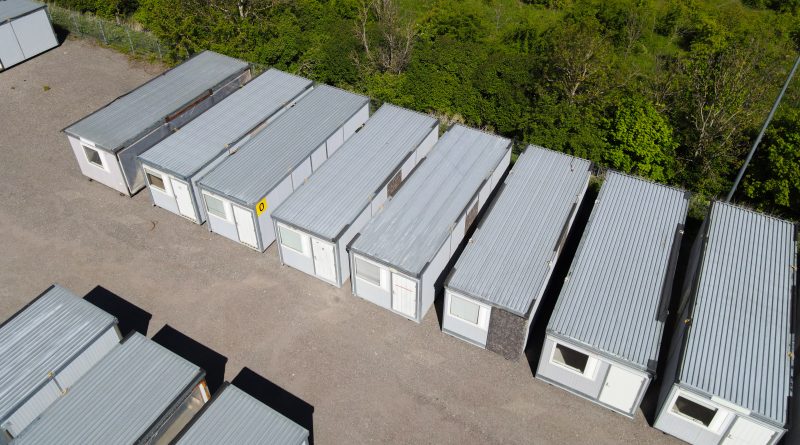
On-site storage can reduce interruptions and recurring transit costs that often accompany off-site arrangements. Materials positioned exactly where teams need them collapse the logistical chain. Workers access supplies in minutes rather than hours. Project momentum stays intact.
Eagle Leasing provides container leasing services for organizations in the Northeast. Operating since 1967, the company provides 20- and 40-foot storage containers within 50 miles of its locations. Service areas include Connecticut, Massachusetts, New York, Rhode Island, New Hampshire, New Jersey, Maine and Vermont. The company has a fleet of over 20,000 units for projects with varying storage needs.
The company’s service model emphasizes responsive support and direct communication during renovation projects. Facilities can coordinate with Eagle Leasing representatives on delivery timing, container selection and changing storage needs. This support can be relevant when timelines shift or storage needs change during complex renovations.
Both short- and long-term lease options accommodate varying project durations. Accessories include locks, ramps, shelving and lighting for specific material storage requirements.
Overcoming Material Theft on the Jobsite
Asset security represents another hidden cost that off-site storage fails to adequately address. Facilities with shared access points and multiple tenants create opportunities for theft. These conditions increase shrinkage rates and force businesses to replace high-value materials mid-project. Even on-site materials left unsecured face significant risk as thieves grow increasingly bold.
Construction and renovation sites experience rising rates of theft. Criminals frequently target tools and materials even on nearly completed, enclosed projects. A missing pneumatic drill halts concrete work. Stolen copper wiring pushes electrical installation back weeks. Each incident forces teams to source replacements while schedules slip.
Locked, ground-level containers positioned directly on the renovation site immediately mitigate these risks. Secure storage units with controlled access help limit access to authorized personnel and reduce the risk of theft. On-site positioning allows security systems and personnel to monitor storage as part of overall site protection.
Frequently Asked Questions About Off-Site Storage
Below are some common questions to consider when seeking information on the cost of off-site storage for business renovations:
What are the hidden costs of off-site storage during renovations?
Off-site storage can incur costs that go beyond the monthly unit fee. Teams may lose productive work time retrieving supplies, coordinating pickups, waiting on deliveries or replacing missing materials. These expenses can add up quickly when a renovation requires frequent access to tools, inventory or equipment.
How does off-site storage impact project timelines?
Off-site storage can slow renovation work by adding extra steps between the jobsite and the materials teams need. If supplies are unavailable when contractors are ready for them, work may pause and later phases can be pushed back. These delays can be especially disruptive for businesses trying to keep operations running during construction.
Why is on-site container storage more secure than off-site facilities?
On-site containers keep materials closer to the teams responsible for them. Locked units can help limit access, while their placement on the property makes it easier to include storage in the site’s broader security plan. This setup can reduce exposure compared with shared facilities where more people may come and go.
Maintaining Project Momentum
Strategic storage decisions shape renovation outcomes as significantly as design choices or contractor selection. Facilities choosing on-site container storage can reduce lost labor hours and stabilize budgets by limiting repeated transit costs. They maintain supply chain agility during critical project phases. The strategy transforms storage from a cost center into an operational advantage that supports timely completion and protects bottom-line objectives.
*Please note that this list includes sponsored content. Some of the companies, products, or services featured have entered into commercial agreements for placement. Sponsored placements do not necessarily reflect an endorsement and should be considered alongside other options in the marketplace.