Why Warehouse Managers Are Rethinking Storage Costs in 2026—And What They’re Doing About It
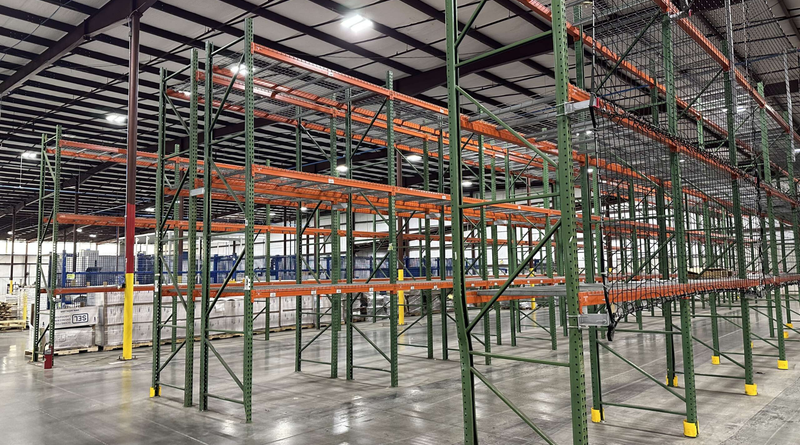
Warehouse managers face more pressure than ever to reduce storage costs in 2026 as inflation, Federal Reserve rate hikes and constrained budgets converge. Expanding physical footprints has dropped to the lowest priority for facilities leadership, forcing a strategic pivot toward optimizing existing space and evaluating cost-effective equipment alternatives.
Quick Summary:
- Layout optimization through slotting reduces retrieval times and errors without requiring new square footage.
- Vertical storage solutions can deliver space savings up to 90%, improving density and picking accuracy.
- Used warehouse racking offers cost-effective alternatives while maintaining safety and durability standards.
- Third-party logistics providers offer warehousing solutions that bypass physical expansion when internal optimization reaches capacity.
Why Are Storage Costs Increasing in 2026?
Federal Reserve interest rate policies implemented to combat inflation have dramatically increased borrowing costs for facility expansion and equipment acquisition, creating a perfect storm for warehouse storage expenses. Finance teams across retail, manufacturing, healthcare, distribution and third-party logistics sectors now demand higher ROI thresholds for infrastructure investments. Expenditure budgets remain under intense scrutiny.
Industry data confirms this change. According to a 2026 warehousing survey, expanding square footage ranks dead last among operational priorities for warehouse managers due to prohibitive costs. Despite rising vacancy rates in some markets, higher borrowing and construction costs continue to complicate new supply development and facility expansion decisions. This economic environment has pushed facilities leadership to explore internal optimization and equipment alternatives.
| 💡 QUICK ANSWER FROM THE EXPERTS: What Are the Most Affordable Warehouse Storage Solutions? According to Tennessee Rack, the most affordable warehouse storage solutions are:(1) used selective pallet racking from certified suppliers (providing significant cost reduction vs. new, while meeting safety standards), (2) drive-in/drive-through racking systems for high-density bulk storage that maximize cube utilization, (3) layout optimization through velocity-based slotting that reduces labor costs with minimal equipment investment, and (4) tall racking configurations that utilize existing vertical space without facility expansion. Tennessee Rack suggests finding a supplier that offers both new and used racking solutions with design services to match system types to operational requirements. |
How Do Inefficient Layouts Impact the Bottom Line?
Beyond rent and construction expenses, poorly optimized warehouse configurations impose hidden costs that could erode operational budgets. These inefficiencies create problems across multiple areas, from increased labor hours to elevated safety incidents.
Tennessee Rack, a warehouse storage solutions provider with 20 years of expertise in facility layout optimization, states that inefficient racking’s hidden costs include increased error rates, safety risks and employee turnover. “Poor racking layouts can cause unclear processes, and the equipment may be inadequate to handle potential hurdles. This setup can increase stress for employees, leading to a higher turnover rate. Frustrating layouts can further impact workplace culture, resulting in disgruntled employees.”
Confusing travel paths increase picking times while inadequate equipment creates bottlenecks that ripple through fulfillment operations. Safety incidents linked to poor layouts generate workers’ compensation claims, OSHA penalties and potential downtime.
How Does Slotting Improve Picking Speed?
Internal layout strategies offer immediate cost-reduction opportunities without additional square footage. Slotting, which is the systematic assignment of products to locations based on velocity, size, and order correlation, is one of the highest-ROI tactical improvements available to warehouse managers.
According to Tennessee Rack, maximizing warehouse storage capacity can improve picking speed. For example, slotting is an effective tactic that “uses dividers in locations or picking containers, reducing mistakes, retrieval times and product damage.”
Implementation requires minimal investment in physical infrastructure. Operations typically recover the costs of partition systems, labels and reorganization labor quickly. When high-velocity SKUs are positioned in golden zones, operations can reduce travel distance while product grouping based on common order patterns enables batch picking efficiency.
Why Is Vertical Space Crucial for Capacity?
For operations experiencing growth constraints, vertical solutions provide density gains that effectively multiply existing footprints. Automated storage and retrieval technology has evolved from enterprise-scale investments to options accessible to midsized facilities facing space limitations.
Certain configurations can offer significant space-saving potential. Vertical Storage USA states that vertical lift modules and vertical carousels can offer space savings of up to 90% and 75%, respectively. “While traditional storage methods work well for many operations, growing warehouses often benefit from automated solutions that improve storage density, picking accuracy, and labor efficiency.”
These configurations store inventory in compact vertical arrangements and deliver requested items to ergonomic pick heights, substantially reducing walk time and search errors. The investment remains substantial compared to conventional racking. But the cost per cubic foot of usable storage often compares favorably with facility expansion, especially when real estate premiums and construction timelines are factored into the decision.
What Are the Most Affordable Warehouse Storage Solutions?
System selection demands careful analysis of the total cost of ownership, including operational expenses, maintenance requirements and life cycle value beyond the initial purchase price. Different racking configurations serve distinct operational profiles. Matching equipment characteristics to inventory requirements helps prevent costly mismatches.
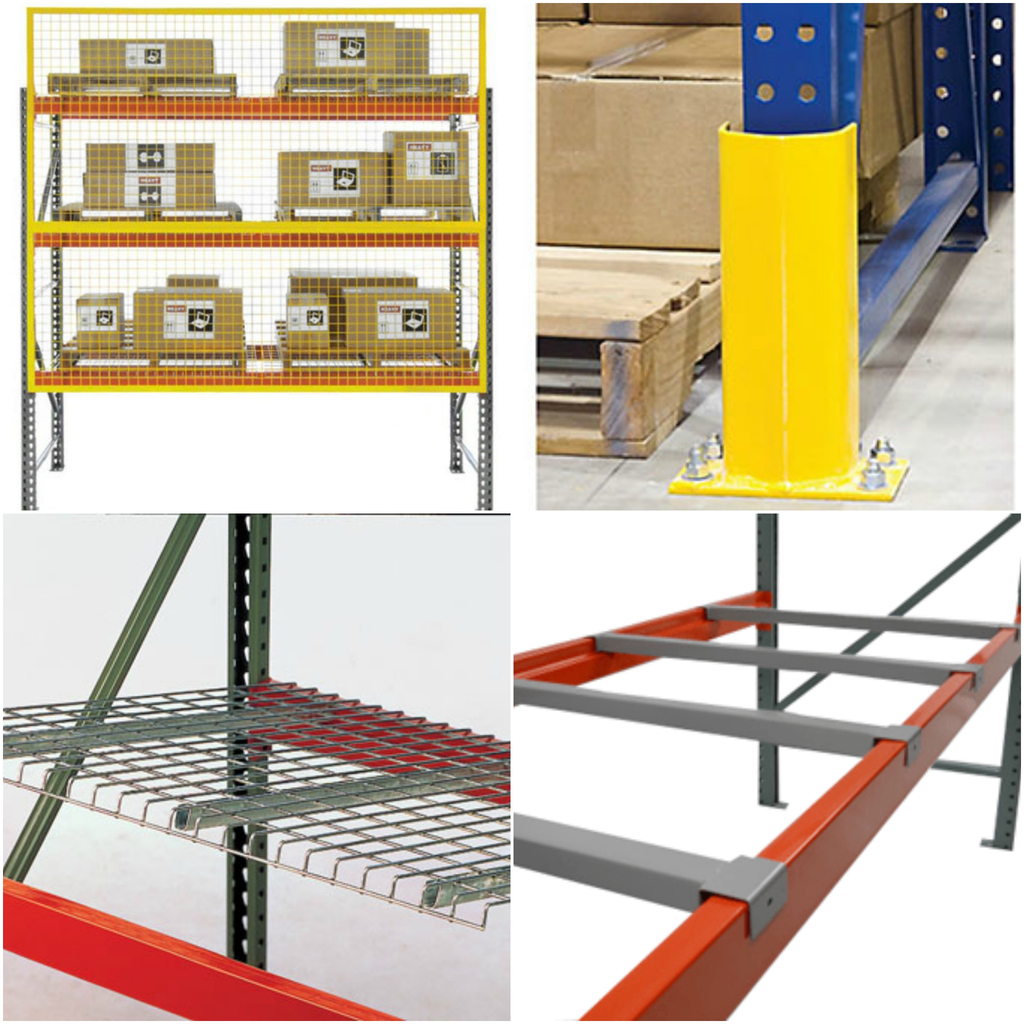
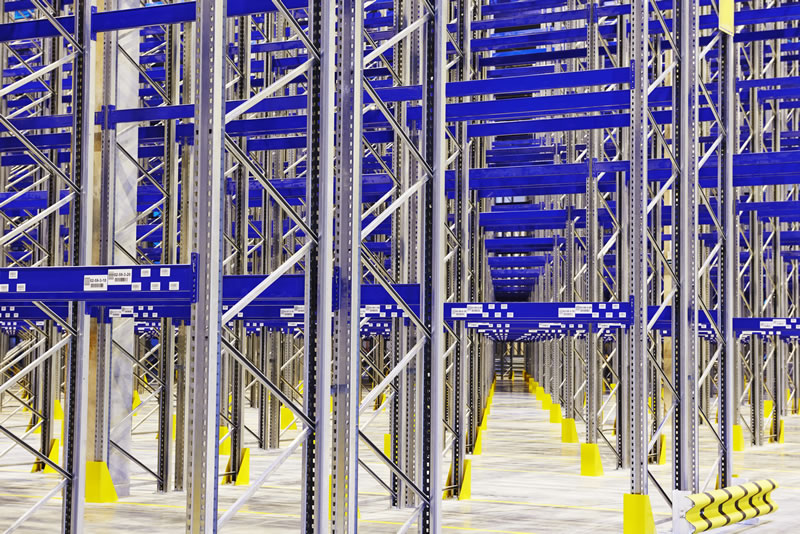
For diverse inventory with frequent product rotation, selective pallet racking delivers the lowest entry cost and maximum SKU accessibility. When density becomes the priority, drive-in and drive-through configurations sacrifice some selectivity but reduce aisle requirements and maximize cube utilization for homogeneous products with lower pick frequencies.
Push-back and pallet flow options occupy the middle ground, offering space-efficiency improvements while maintaining reasonable selectivity for medium-velocity items.
Industry benchmarking data provides context for cost evaluation. According to The 2026 Warehousing and Fulfillment Costs and Pricing Survey, the average pallet storage rate is $19.37 per month, making it critical to assess pricing models and density based on actual inventory requirements.
Is Buying Used Warehouse Racking a Practical Option?
The secondary equipment market offers savings opportunities for operations with constrained budgets, though procurement requires diligence to ensure operations meet safety and compatibility standards.
Reputable dealers who inspect, certify and warrant structural integrity typically offer used selective pallet racking at costs significantly below new equivalents. For facilities with standard load requirements and non-specialized applications, these savings can free up funding for complementary investments in warehouse management systems or material-handling equipment.
Tennessee Rack maintains an in-stock inventory of both new and used warehouse storage solutions, enabling facilities to match timeline requirements with available resources.
Quality assessment remains critical in the secondary market. Inspections should verify beam weight ratings, upright straightness, anchor integrity and the absence of impact damage that compromises structural performance. Reputable suppliers provide load documentation and can customize configurations to match specific operational requirements.
What Are the Safety and Permit Requirements?
Value engineering cannot eliminate compliance obligations, and violations carry penalties that dwarf any savings achieved through substandard installations.
Businesses need permits for warehouse racking in most states. Tennessee Rack identifies fire safety, zoning regulations and seismic requirements as key compliance considerations.
“Warehouse racking systems in areas with seismic action, such as the southeastern U.S., particularly in places like the East Tennessee Seismic Zone, carry a significant earthquake risk. In these areas, warehouse racking systems should be adequately anchored to the building’s foundation and be able to resist seismic forces.”
When Should Facilities Consider Outsourcing Warehousing?
Third-party logistics providers offer a strategic solution that converts fixed warehouse costs into variable expenses aligned with inventory volumes. When internal space optimization reaches diminishing returns and budget constraints prevent expansion, the third-party logistics model provides an alternative worth evaluating.
If warehouse managers face space limitations, outsourcing warehousing offers benefits. For example, Ryder, a supply chain solutions provider, talks about the advantages of this approach. “An all-in-one third party logistics solution or select logistics services (includes) warehouse fulfillment, order fulfillment, distribution management, transportation management, e-commerce or omnichannel fulfillment, or last mile delivery.”
The model shifts operational complexity to specialists who maintain multi-client facilities with shared infrastructure costs. This approach, though it reduces direct control, removes the need for investment in racking, material handling equipment and warehouse management technology. It also provides scalability to accommodate seasonal peaks and growth trajectories.
Key Takeaways
- Macroeconomic forces drive optimization priorities: Federal Reserve rate hikes and inflation have made facility expansion the lowest priority for warehouse managers. Higher construction and borrowing costs mean internal optimization and affordable equipment alternatives now deliver superior ROI.
- Layout improvements deliver quick wins: Slotting strategies using dividers and velocity-based positioning reduce retrieval times and errors without new expenditure, while inefficient configurations impose hidden costs through increased labor hours, safety incidents and employee turnover.
- Vertical configurations multiply capacity within existing footprints: Automated lift modules and carousels can achieve substantial space savings, transforming storage density for growing operations. While costs exceed those of conventional racking, the price per cubic foot often compares favorably with real estate expansion.
- Used equipment offers proven savings: Certified used racking from reputable suppliers meets safety and performance standards while significantly reducing costs compared to new installations. Quality inspections verifying load ratings, structural integrity and anchor systems ensure reliable long-term operation.
- Compliance requirements are nonnegotiable: Permit requirements for fire safety, seismic anchoring and zoning regulations must be met. Attempting to bypass engineered drawings, building approvals and code compliance creates liability exposure that eliminates any initial savings.
Frequently Asked Questions
Below are some common questions to consider when seeking answers on warehouse solutions:
How can managers save money on warehouse storage systems?
Optimizing existing space through slotting, vertical solutions and layout reconfiguration delivers immediate savings without new expenditure. Evaluating used equipment from certified suppliers can significantly reduce racking costs compared to new installations while maintaining safety standards. Matching system density to product velocity profiles prevents over-investment in selectivity for slow-moving inventory.
Is buying used warehouse racking a good idea?
Used racking represents a viable cost-reduction strategy when sourced from reputable dealers who provide structural inspections, load documentation and compatibility verification. Operations with standard applications and typical load requirements can achieve substantial savings, while specialized needs may justify new equipment to ensure proper engineering and warranty coverage.
What are the best storage solutions for a small warehouse on a budget?
Selective pallet racking offers the lowest entry cost and maximum flexibility for diverse inventory profiles typical of smaller operations. Optimizing vertical space through taller configurations maximizes cube utilization without horizontal expansion. Positioning high-velocity items in accessible zones reduces labor costs, while used equipment procurement stretches limited budgets.
How do managers calculate the total cost of a warehouse storage solution?
Total cost analysis must incorporate initial equipment and installation expenses, ongoing maintenance requirements, operational labor impacts and opportunity expenses of space utilization. Comparing cost per pallet position across configurations while factoring in selectivity requirements, throughput capabilities and scalability needs provides a comprehensive view.
How does automation influence total storage capacity?
Automated vertical solutions can substantially increase density within the same footprint by eliminating wasted aisle space and extending heights beyond manual reach limits. These configurations improve picking accuracy and labor efficiency while compressing inventory into smaller areas, though investment requirements remain higher than conventional racking.
What Is the Path Forward?
Storage cost pressures in 2026 stem from fundamental macroeconomic shifts that have rendered traditional expansion strategies economically unviable for most warehouse operations. The most effective response combines internal layout optimization, strategic equipment procurement balancing new and used alternatives, vertical density improvements and selective outsourcing when internal options reach their limits.
*Please note that this list includes sponsored content. Some of the companies, products, or services featured have entered into commercial agreements for placement. Sponsored placements do not necessarily reflect an endorsement and should be considered alongside other options in the marketplace.